Truck Camping Gear Checklist for Every Trip
Truck camping blends the freedom of overlanding with the simplicity of car camping — but only if you pack the right gear. Forget one critical item and a weekend adventure turns into an uncomfortable ordeal. The challenge isn't finding gear to buy; it's knowing what actually matters, what's dead weight, and how to organize everything so it fits in your truck bed or cab without chaos.
This checklist breaks truck camping gear into clear categories, walks you through what to spend at each budget level, and flags the mistakes that cost beginners time and money. Whether you're planning your first overnight trip or refining a setup you've used for years, this guide helps you pack smarter — not heavier.
Key Takeaways
- Prioritize the Big Four first — shelter, sleep system, cooking setup, and power source — before adding comfort extras.
- Budget $500–$800 for a basic truck camping kit or $1,500–$2,500 for a fully equipped setup with quality gear.
- A portable power station between 500–1,000Wh covers most truck camping electrical needs without the noise and fumes of a generator.
- Pack water filtration even for short trips — a gravity or pump filter weighing under 2 lbs can prevent serious illness from untreated sources.
- Use a tiered packing system: essentials stay in the truck permanently, trip-specific gear gets loaded the night before departure.
What Are the Essential Gear Categories for Truck Camping?
Every truck camping setup revolves around six core categories: shelter, sleep system, cooking, water, power, and safety. Nail these six and you can camp comfortably anywhere. Everything else — camp chairs, lanterns, entertainment — is a bonus.
Here's how to think about each category:
- Shelter: A truck bed tent, rooftop tent, or ground tent with tarp. Your truck bed itself is shelter if you have a tonneau cover or camper shell.
- Sleep system: Sleeping pad or air mattress, sleeping bag rated 10–15°F below expected lows, and a pillow. This is where comfort matters most.
- Cooking: Portable stove, fuel, cookware, utensils, cooler or fridge. A solid camp kitchen setup makes meals easy instead of stressful.
- Water: Storage containers (5–7 gallon jugs), filtration system, and a collapsible wash basin.
- Power: Portable power station or secondary battery, charging cables, and LED lighting.
- Safety: First aid kit, fire extinguisher, recovery gear, communication device (satellite messenger for remote areas).
The mistake most beginners make is over-investing in comfort gear while skipping safety essentials. A camp hammock is nice. A first aid kit with a tourniquet and emergency blanket is non-negotiable.
Before you buy anything, inventory what you already own. Most people have 40–60% of what they need sitting in closets, garages, and kitchen drawers. Camping-specific purchases should fill gaps, not duplicate gear you already have.
How Much Should You Budget for a Truck Camping Setup?
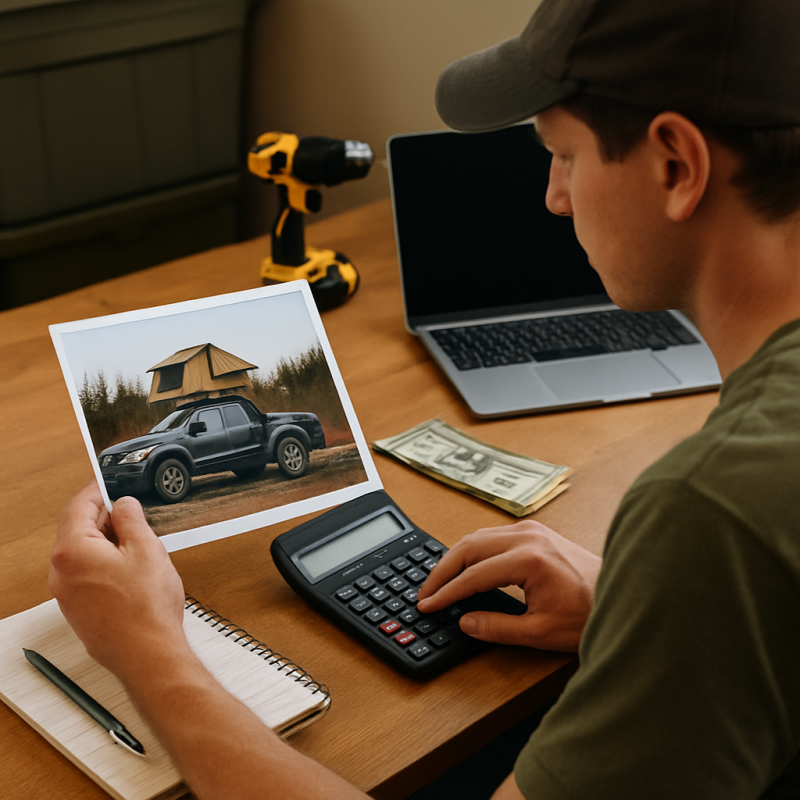
A functional truck camping setup costs $500–$800 at the entry level, $1,000–$1,500 for a mid-range kit, and $2,000–$3,500 for a premium overlanding-style build. The biggest cost driver is your shelter choice — a truck bed tent runs $150–$300, while a rooftop tent starts around $800.
| Category | Budget Tier ($500–$800) | Mid-Range ($1,000–$1,500) | Premium ($2,000–$3,500) |
|---|---|---|---|
| Shelter | Ground tent or tarp ($40–$100) | Truck bed tent ($150–$300) | Rooftop tent ($800–$1,500) |
| Sleep System | Foam pad + bag ($60–$120) | Air mattress + 20°F bag ($150–$250) | Self-inflating pad + 0°F bag ($300–$500) |
| Cooking | Single burner + basic cookset ($40–$80) | Dual burner + nesting cookware ($100–$200) | Integrated kitchen system ($250–$400) |
| Power | Car charger + battery bank ($30–$60) | 300–500Wh power station ($200–$350) | 1,000Wh+ station + solar ($500–$900) |
| Water | Jugs + purification tablets ($20–$40) | Jugs + pump filter ($60–$100) | Pressurized system + gravity filter ($100–$200) |
| Safety | Basic first aid + flashlight ($30–$50) | Full kit + fire extinguisher ($60–$100) | Sat communicator + recovery gear ($200–$400) |
The sweet spot for most truck campers is the mid-range tier. You get reliable gear that lasts 3–5 years without the premium pricing of overlanding-branded equipment. Buy the best sleeping bag and pad you can afford — poor sleep ruins every trip regardless of what else you packed.
One smart strategy: start budget, upgrade strategically. Buy cheap where failure doesn't matter (utensils, storage bins) and invest where it does (sleep system, power, water filtration).
What Cooking Gear Do You Actually Need?
You need a reliable stove, one pot, one pan, basic utensils, and a cooler — that's the minimum for real meals on the road. Everything beyond that is convenience, not necessity. The best truck camping cooking setups are compact, fast to deploy, and easy to clean.
Here's a practical cooking gear checklist:
- Stove: A dual-burner propane stove (like a Coleman Classic) handles 90% of camp cooking. Single-burner stoves work for solo trips. Check our roundup of the best truck camping stoves for tested recommendations.
- Fuel: Two 1-lb propane canisters per weekend trip, or a 5-lb tank with adapter for longer stays.
- Cookware: One 2-quart pot, one 10-inch skillet, nesting if possible to save space.
- Utensils: Spatula, tongs, knife, cutting board, can opener. Skip single-use gadgets.
- Cooler: A 45–65 quart rotomolded cooler keeps ice 3–5 days. Budget coolers work for overnight trips but fail on extended stays.
- Wash station: Collapsible basin, biodegradable soap, small towel. Never wash dishes in a stream.
The biggest cooking mistake truck campers make is bringing too much food and too many tools. Plan specific meals, prep ingredients at home, and store them in labeled bags. A cutting board, sharp knife, and one good pan can handle everything from breakfast burritos to steak dinners.
For storage, a plastic bin or soft-sided kitchen organizer keeps everything in one place. Mount it in the truck bed or behind the rear seat. When you arrive at camp, pull the bin out and your kitchen is ready in 60 seconds.
How Do You Handle Power and Electronics While Truck Camping?
A portable power station in the 500–1,000Wh range is the most versatile solution for truck camping. It charges phones, runs LED lights, powers a 12V fridge, and handles small electronics — all without noise, fumes, or fire risk. For most weekend trips, 500Wh is plenty. Extended trips or heavy fridge use calls for 1,000Wh+.
Here's how to think about truck camping power:
- 500Wh or under: Covers phones, cameras, LED lights, laptop charging for 2–3 days. Ideal for minimalist setups.
- 500–1,000Wh: Runs a 12V fridge, charges multiple devices, powers a CPAP machine. The sweet spot for most campers.
- 1,000Wh+: Handles everything above plus small appliances, extended boondocking, and simultaneous heavy loads.
Our review of portable power stations for truck camping covers the top models across all three tiers. If you're debating between a power station and a traditional generator, our power station vs generator comparison breaks down the tradeoffs.
Solar charging extends your runtime dramatically. A 100W portable solar panel recharges a 500Wh station in roughly 5–6 hours of direct sunlight. For multi-day boondocking, solar is the difference between rationing power and using it freely.
Don't overlook your truck's own battery as a charging source. A quality DC-to-DC charger can top off a power station while you drive between campsites. Just never drain your starting battery — use an isolator or voltage-sensing relay to protect it.
For a deeper look at keeping all your devices charged, check our guide on how to charge devices while truck camping.
What Water and Filtration Gear Should You Pack?
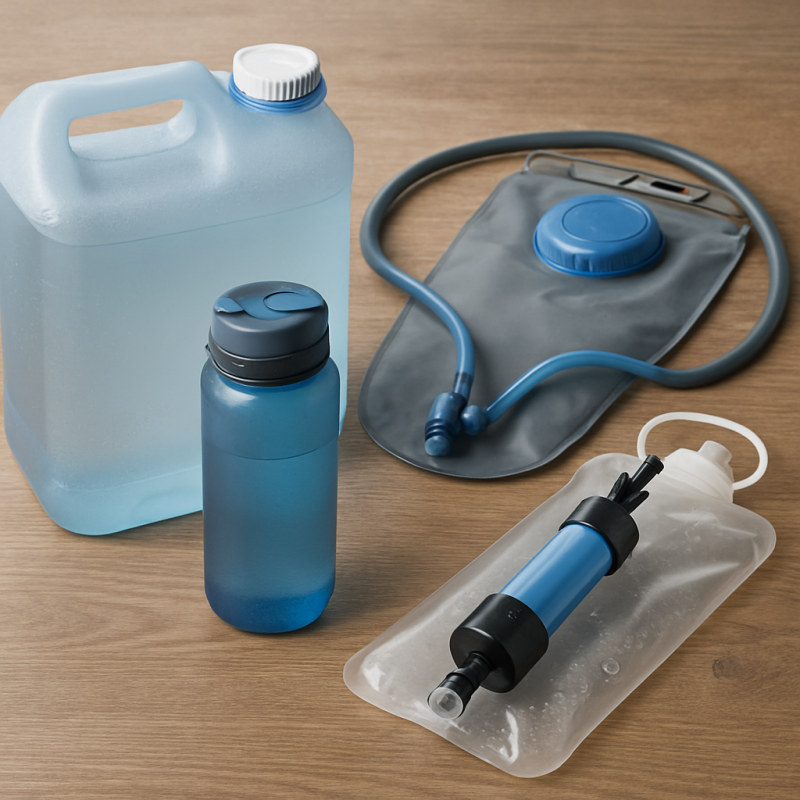
Carry at least 1 gallon of water per person per day, plus a portable filtration system as backup. Dehydration and waterborne illness are two of the most common — and most preventable — problems in truck camping. A 5–7 gallon rigid jug is the easiest primary water source.
- Primary storage: 5–7 gallon water jugs with a spigot. Rigid HDPE containers are more durable than collapsible bags and easier to clean.
- Backup filtration: Gravity filter, pump filter, or squeeze filter rated for bacteria and protozoa at minimum. Virus-rated if traveling internationally.
- Purification tablets: Lightweight emergency backup. Iodine or chlorine dioxide tablets weigh ounces and last years in storage.
- Collapsible basin: For washing dishes and hands. A 3–5 gallon collapsible sink packs flat and weighs under a pound.
The best portable water filters for truck camping balance flow rate, filter life, and packability. Gravity filters are ideal for camp use — hang them from a tailgate or tree branch and they work hands-free. Pump and squeeze filters are better for on-the-go refills from streams and lakes.
A critical mistake is relying entirely on stored water without a filtration backup. Jugs leak, crack, or run out faster than expected — especially in hot weather when you're drinking 50–100% more than planned. A $25 filter can save you from cutting a trip short or risking contaminated water.
For hygiene, add a portable shower bag (solar-heated, 5 gallon) if you're camping more than two nights. Gravity-fed camp showers cost $15–$30 and make a significant difference in comfort on extended trips.
What Safety and Emergency Gear Is Non-Negotiable?
A first aid kit, fire extinguisher, and communication device are the three safety essentials that should live permanently in your truck — not packed trip by trip. Add recovery gear if you camp on unpaved roads or remote terrain.
Here's your safety gear checklist:
- First aid kit: Pre-built kits are fine as a starting point, but add a tourniquet, EMT shears, and any personal medications. Check and restock after every trip.
- Fire extinguisher: A small ABC-rated extinguisher (2.5 lb) handles electrical, grease, and combustible fires. Mount it within arm's reach, not buried in a storage bin.
- Communication: Cell phone plus a satellite messenger (Garmin inReach, SPOT) for areas without coverage. A two-way radio is useful for groups.
- Navigation: Paper maps of your area. Phone GPS fails when batteries die or signals drop. USDA Forest Service maps are free and cover most public land camping areas.
- Recovery gear: Tow strap (20,000+ lb rating), jumper cables or jump starter, portable air compressor, tire plug kit.
- Lighting: Headlamp (hands-free) plus a lantern for camp. Always carry spare batteries.
The American Red Cross recommends completing a wilderness first aid course before camping in remote areas. Knowing how to handle sprains, burns, allergic reactions, and hypothermia matters more than having the fanciest first aid kit.
Vehicle maintenance tools are part of safety gear too. A basic truck tool set and a quality floor jack let you handle flat tires and minor breakdowns without waiting hours for roadside assistance in areas without cell service.
How Should You Organize and Pack Gear in Your Truck?
Use a three-zone packing system — cab essentials, bed storage, and quick-access items — to keep gear organized and reachable without unpacking everything. The key is putting what you need first on top and what you need least on the bottom.
- Zone 1 — Cab (always accessible): Phone, wallet, snacks, water bottle, sunglasses, first aid kit, flashlight, maps, rain jacket.
- Zone 2 — Truck bed (main storage): Shelter, sleep system, cooking bin, cooler, water jugs, power station. Use stackable bins and straps.
- Zone 3 — Quick-access (tailgate area): Camp chairs, firewood, trash bags, frequently used tools. Items you grab first when setting up camp.
The best organization system uses color-coded or labeled bins by category. One bin for kitchen gear, one for tools and maintenance, one for personal items. When it's time to cook, you grab the kitchen bin. When you need a wrench, you grab the tool bin. No digging through a pile of mixed gear.
A few packing rules that prevent headaches:
- Heaviest items forward: Place coolers and water jugs near the cab to keep weight over the rear axle, improving handling.
- Strap everything down: Even with a tonneau cover, hard braking sends unsecured gear flying. Ratchet straps or cargo nets are essential.
- Keep a grab-and-go bag: A small duffel with one change of clothes, toiletries, headlamp, and snacks. If you arrive late and just need to sleep, this bag is all you unpack.
- Leave 20% empty space: You'll always pick up firewood, groceries, or souvenirs. If your truck is packed to capacity before you leave, you have too much gear.
After each trip, do a 5-minute debrief: What did you use? What stayed in the bin untouched? Anything you wished you had? Adjust your checklist based on actual experience, not hypothetical scenarios. Your gear list should get shorter over time, not longer.
RV Setup Checklists: 3 Waterproof Quick Reference Cards
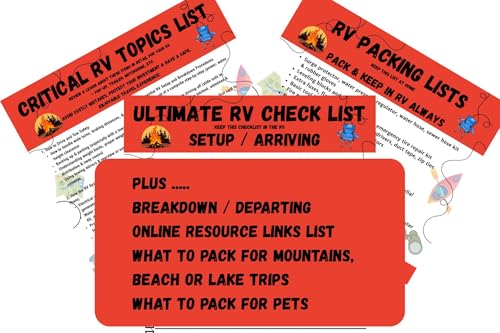
Waterproof quick-reference checklist cards covering arrival setup, hookups, and departure routines. Prevents the most common packing and setup mistakes that ruin camping trips.
Check Price On AmazonIf you click this link and buy, we earn a commission at no additional cost to you.
What Are the Most Common Truck Camping Gear Mistakes?
Overpacking is the number-one mistake, followed by buying gear you've never tested and ignoring weight limits. Most first-time truck campers bring twice what they need and end up frustrated by clutter, poor organization, and wasted money.
Here are the top mistakes to avoid:
- Buying before trying: Borrow or rent gear before investing. That $400 rooftop tent might not suit your camping style. Test setups in your driveway before heading into the backcountry.
- Ignoring payload capacity: Your truck has a GVWR (Gross Vehicle Weight Rating) on the driver's door sticker. Subtract curb weight and passenger weight — what's left is your max gear load. Overloading damages suspension, brakes, and tires.
- Skipping a shakedown trip: Never take new gear on a remote trip. Camp at a nearby site first, work out the bugs, and learn setup/teardown routines when failure is inconvenient, not dangerous.
- Neglecting weather prep: Packing for perfect weather guarantees misery. Bring rain gear, extra insulation, and a tarp even if the forecast looks clear. Mountain weather changes in hours.
- Single-use gear: Avoid tools that do only one thing. A multitool beats five separate implements. A pot that doubles as a bowl saves space and weight.
Another costly mistake is chasing brand-name overlanding gear when equivalent products exist at half the price. A $20 hardware-store tarp provides the same rain protection as a $90 "overlanding" tarp. Spend premium dollars on items where quality directly affects safety or sleep — everything else can be budget.
Finally, don't forget leave-no-trace basics. Pack trash bags, a portable trowel for sanitation, and biodegradable soap. The Leave No Trace Seven Principles apply to truck camping just as much as backpacking. Respecting campsites ensures they stay open for everyone.
Related Articles
- Best Truck Bed Tents for Camping — Recommended as a shelter option in the essential gear categories section
- How to Set Up a Camp Kitchen From Your Truck — Linked when discussing cooking setup in the essential gear overview
- Best Truck Camping Stoves and Cooking Gear — Referenced in the cooking gear section for stove recommendations
- Best Portable Power Stations for Truck Camping — Linked in the power section for detailed power station reviews
- Portable Power Station vs Generator for Camping — Referenced when discussing power source tradeoffs
- How to Charge Devices While Truck Camping — Linked as a deeper resource for device charging strategies
- Best Portable Water Filters for Truck Camping — Referenced in the water and filtration section for filter recommendations
- Best Portable Air Compressors for Trucks — Mentioned in safety section as part of recovery gear
- Best Truck Tool Sets for Roadside Repairs — Linked in safety section for vehicle maintenance preparedness
- Best Truck Floor Jacks for Heavy Lifting — Referenced alongside tool sets for handling tire changes remotely
Conclusion
Recommended Products
RV Setup Checklists: 3 Waterproof Quick Reference Cards
Waterproof quick-reference checklist cards covering arrival setup, hookups, and departure routines. Prevents the most common packing and setup mistakes that ruin camping trips.
Check Price On AmazonIf you click this link and buy, we earn a commission at no additional cost to you.
Frequently Asked Questions
What is the most important piece of truck camping gear?
How much does a full truck camping setup cost?
Can you sleep in a truck bed without a tent?
What size power station do I need for truck camping?
Do I need a water filter for truck camping?
How do you keep food cold while truck camping?
What should stay in your truck permanently for camping?
How do you handle bathroom needs while truck camping?
Affiliate Disclosure: This article contains affiliate links. If you purchase through these links, we may earn a commission at no extra cost to you.