Spray In vs Drop In Bed Liner: Which Is Better?
Key Takeaways
- Spray-in bed liners cost $400–$700 professionally installed but last the lifetime of your truck with permanent, watertight protection.
- Drop-in bed liners cost $150–$350 and install in under 30 minutes with no professional help, making them the budget-friendly choice.
- Spray-in liners prevent rust and corrosion by bonding directly to the metal bed, while drop-in liners can trap moisture underneath.
- Drop-in liners are removable and preserve your factory paint, which can boost resale value if removed before selling.
- Choose spray-in for heavy daily hauling and long-term ownership; choose drop-in for budget builds, lease trucks, or occasional cargo use.
How Each Bed Liner Type Works
Before comparing features, it helps to understand what you're actually getting with each option. These two liner types use fundamentally different approaches to protecting your truck bed.
Spray-in bed liners are polyurethane or polyurea coatings applied directly onto your truck bed's metal surface. A professional sprays the material in a controlled booth after sanding and priming the bed. The coating cures into a textured, permanent layer that becomes part of the truck itself.
- Material: polyurethane (Line-X) or polyurea (Rhino Linings) compounds
- Application: professional spray booth with surface prep
- Thickness: typically 1/8" to 1/4" when cured
- Bond: chemically bonds to bare metal after sanding
Drop-in bed liners are pre-molded plastic shells made from high-density polyethylene (HDPE). They're manufactured to fit specific truck makes, models, and bed lengths. You simply place the liner into your bed and secure it with bolts or clamps.
- Material: high-density polyethylene (HDPE) plastic
- Application: DIY — set in place and bolt down
- Thickness: approximately 3/16" molded plastic
- Bond: sits on top of factory paint, secured with hardware
The key distinction is permanence. A spray-in becomes inseparable from your truck bed, while a drop-in remains a separate component you can remove at any time. This single difference drives most of the pros and cons you'll see throughout this comparison.
Cost Comparison: Upfront and Long-Term
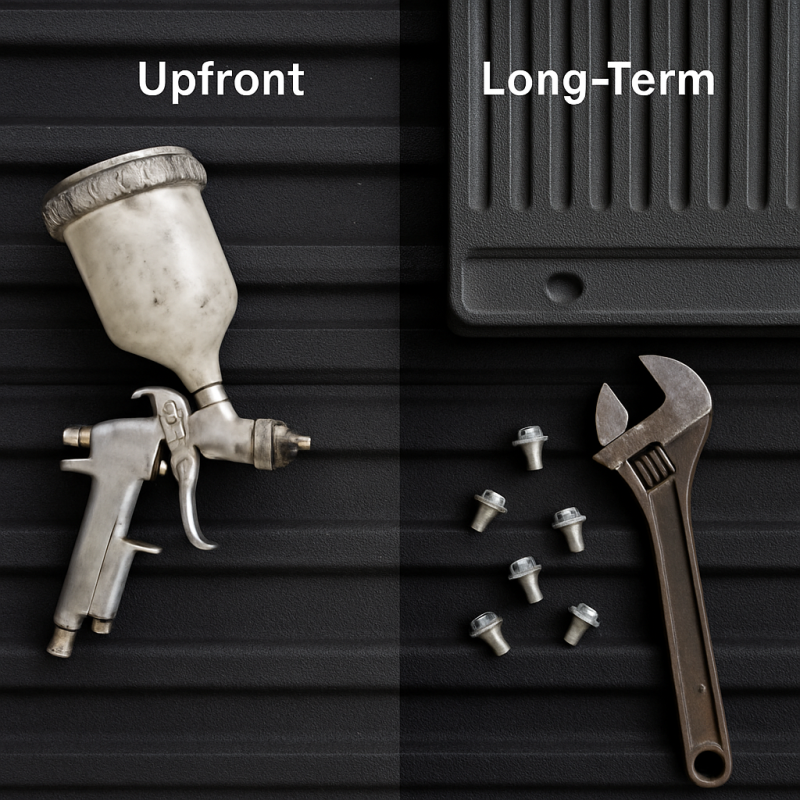
Cost is usually the first factor truck owners consider, and the price gap between these two options is significant upfront. However, the long-term cost picture tells a different story.
| Cost Factor | Spray-In Liner | Drop-In Liner |
|---|---|---|
| Product Cost | $100–$200 (DIY kit) | $150–$350 |
| Professional Install | $400–$700 total | $0 (DIY friendly) |
| Maintenance Cost | $0 (no maintenance) | $0–$50 (occasional re-tightening) |
| Replacement Cost | Rarely needed | $150–$350 every 5–8 years |
| Lifetime Cost (10 years) | $400–$700 | $300–$700 |
Drop-in liners win on upfront cost every time. You can pick up a quality drop-in liner like the Rugged Liner Drop-In Liner for under $350 and install it yourself in your driveway.
- Budget winner: drop-in liners cost 40–60% less upfront
- DIY savings: drop-in eliminates labor costs entirely
- Long-term value: spray-in liners rarely need replacement, narrowing the gap over time
- Hidden cost: cheap spray-in DIY kits often peel, requiring professional redo
If you're keeping your truck for 10+ years, a professional spray-in actually matches or beats the lifetime cost of replacing a drop-in liner once or twice. But if budget is tight right now, drop-in is the clear choice.
Rugged Liner Drop-In Bed Liner
A heavy-duty drop-in liner with included tailgate cover and hardware. No-drill installation makes it ideal for truck owners who want solid bed protection without professional installation costs.
Check Price On AmazonIf you click this link and buy, we earn a commission at no additional cost to you.

Durability and Protection
Protection is the entire point of a bed liner, so this category matters most. Both types handle scratches and light cargo well, but they diverge under heavy use.
Spray-in liners excel at impact absorption and abrasion resistance. The textured polyurethane surface distributes force across the bonded layer, preventing dents from reaching the metal. Because it's chemically bonded, there's no gap where debris can get trapped.
- Impact resistance: excellent — absorbs and distributes force
- Scratch resistance: excellent — textured surface hides minor scratches
- Chemical resistance: good — resists fuel, oil, and most solvents
- UV resistance: moderate — can fade from black to gray over 5+ years
Drop-in liners offer solid protection against scratches and provide a slick surface that makes loading and unloading easier. The rigid plastic shell takes the beating instead of your truck bed. However, the space between the liner and bed creates problems.
- Impact resistance: good — plastic flexes but can crack under extreme loads
- Scratch resistance: good — scratches show but don't affect function
- Chemical resistance: excellent — HDPE resists nearly everything
- UV resistance: poor — plastic becomes brittle and fades faster
| Protection Factor | Spray-In | Drop-In |
|---|---|---|
| Dent Prevention | Excellent | Good |
| Rust Prevention | Excellent | Poor (traps moisture) |
| Cargo Sliding | Stays put (textured) | Slides easily (smooth) |
| Lifespan | 15–20+ years | 5–8 years |
The biggest durability concern with drop-in liners is trapped moisture. Water, dirt, and road salt get between the liner and the bed, causing rust you can't even see. If you live in a wet or snowy climate, this issue alone may push you toward spray-in. For a deeper look at top-rated options in both categories, check our roundup of the best truck bed liners.
Installation: DIY vs Professional
Installation difficulty is where drop-in liners have their biggest advantage. The process couldn't be more different between these two options.
Drop-in liner installation is genuinely simple. Most truck owners complete it in 20–30 minutes with basic hand tools.
- Clean your truck bed: remove debris and wipe down the surface
- Position the liner: lower it into the bed and align the bolt holes
- Secure with hardware: bolt through the pre-drilled holes using the included fasteners
- Check the fit: ensure the liner sits flush against all bed walls and the tailgate
Products like the TrailFX Replacement Bed Liner are designed for no-drill installation, making the process even easier. For a complete walkthrough, our guide on how to install a truck bed liner covers everything you need to know.
Spray-in liner installation requires professional equipment and a controlled environment.
- Surface prep: bed is sanded to bare metal, then cleaned and primed
- Masking: surrounding areas are taped off to prevent overspray
- Spraying: multiple coats are applied with specialized spray equipment
- Curing: liner needs 24 hours to fully cure before use
- Total shop time: 3–5 hours, plus 24 hours before loading cargo
DIY spray-in kits exist (Raptor Liner, Herculiner), but results vary wildly. Poor surface prep leads to peeling, bubbling, and uneven coverage. Most professionals advise against DIY spray-in unless you have experience with automotive coatings.
- Drop-in: 20–30 minutes, no special tools, fully DIY
- Spray-in (professional): 3–5 hours shop time plus 24-hour cure
- Spray-in (DIY): 4–8 hours with higher risk of mistakes
TrailFX No-Drill Replacement Bed Liner
Made in the USA with a no-drill design, this TrailFX liner fits 5'8" beds and offers reliable protection. A strong choice for truck owners who want easy installation and American-made quality.
Check Price On AmazonIf you click this link and buy, we earn a commission at no additional cost to you.
Resale Value and Truck Appearance
How a bed liner affects your truck's resale value depends on whether you plan to sell or trade in your pickup down the road. This is where the two options diverge in surprising ways.
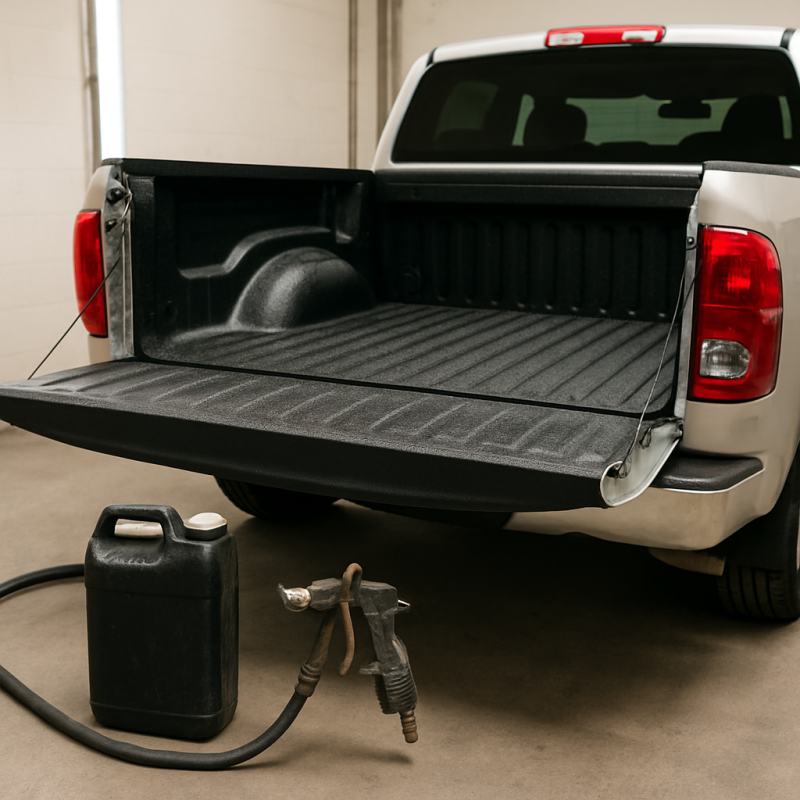
Spray-in liners generally increase resale value. Buyers see a professionally sprayed bed as a sign the truck was well-maintained. The liner protects the bed from visible damage, and most buyers prefer buying a truck that already has one.
- Adds $200–$500 to perceived value at resale
- Hides wear: scratches and minor dents are invisible under the coating
- Permanent commitment: cannot be removed without damaging the bed underneath
- Appearance: clean, factory-like finish that looks professional
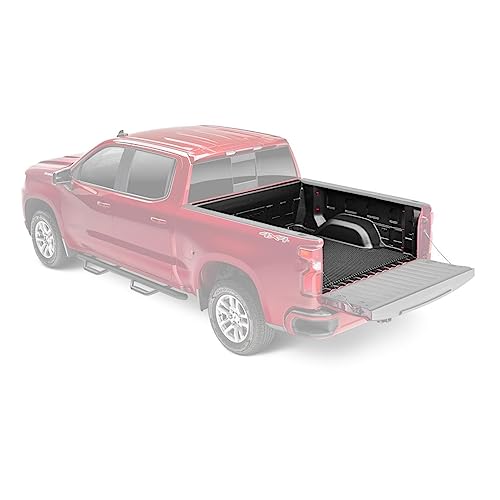
Drop-in liners protect factory paint underneath. Because the liner sits on top of the paint rather than bonding to it, you can remove the drop-in before selling to reveal a pristine bed underneath.
- Preserves factory paint: bed looks brand new after removal
- Removable: take it with you to your next truck (if same model)
- Appearance degrades: plastic fades, scratches, and looks worn over time
- Noise factor: drop-ins rattle and vibrate when empty, which some buyers dislike
| Resale Factor | Spray-In | Drop-In |
|---|---|---|
| Value Added | $200–$500 | $0–$100 (if removed, paint pristine) |
| Buyer Perception | Well-maintained | Neutral |
| Appearance Over Time | Stays consistent | Fades and scratches visibly |
| Transferable | No | Yes (same make/model) |
For lease trucks, drop-in is the only smart choice — you need to return the bed in original condition. For trucks you plan to own for 10+ years, spray-in makes more sense since you won't be worrying about resale anytime soon.
Functionality and Everyday Use
How each liner performs in daily use matters just as much as how long it lasts. Your cargo habits should heavily influence which type you choose.
Cargo grip vs. cargo slide is the biggest functional difference between these liners.
- Spray-in texture grips cargo and prevents sliding. Coolers, toolboxes, and loose items stay where you put them. This is ideal for hauling mixed loads without tie downs for every single item.
- Drop-in surface is smooth HDPE plastic, meaning cargo slides freely. This is actually an advantage if you frequently load and unload heavy items like plywood, appliances, or furniture — they glide in and out easily.
Consider your typical hauling scenarios:
- Construction materials: drop-in wins — lumber and sheet goods slide in easily
- Groceries and loose items: spray-in wins — nothing slides around corners
- Camping and recreation gear: spray-in wins — coolers and bags stay put
- Heavy equipment loading: drop-in wins — items slide into position without fighting friction
Noise is another real-world difference. Drop-in liners vibrate against the truck bed at highway speeds, creating a noticeable hum or rattle. Adding a truck bed mat underneath can reduce this, but it adds another expense. Spray-in liners produce zero additional noise since they're bonded to the metal.
Water drainage also differs. Spray-in liners follow the bed's factory drain holes perfectly. Drop-in liners have their own drain holes, but debris can clog the gap between the liner and bed, leading to standing water and eventual corrosion underneath.
- Temperature: spray-in stays cooler in summer; drop-in plastic absorbs heat
- Cleaning: both rinse out easily with a hose
- Compatibility: both work fine with tonneau covers and bed accessories
Best Use Cases for Each Liner Type
After weighing all the factors, here are definitive recommendations based on specific scenarios. Don't try to find a one-size-fits-all answer — the right liner depends entirely on how you use your truck.
Choose a spray-in bed liner if:
- You own the truck long-term: 7+ years of ownership makes the higher upfront cost worthwhile
- You haul frequently: daily or weekly cargo use demands maximum durability
- You live in a wet/snowy climate: the sealed bond prevents hidden rust and corrosion
- You want a clean look: spray-in has a factory-finished appearance that never rattles
- You carry mixed loose cargo: the textured surface keeps items from sliding around
Choose a drop-in bed liner if:
- You're on a tight budget: $150–$350 total with zero installation cost
- You lease your truck: removable design preserves factory paint for lease return
- You load heavy/bulky items: smooth surface lets plywood, appliances, and equipment slide in easily
- You want transferability: take the liner with you to your next truck of the same model
- You use your truck occasionally: weekend warriors don't need permanent protection
Consider a bed mat as an alternative if you want basic scratch protection without committing to either option. Rubber bed mats cost $50–$150, install in seconds, and provide cushioning and grip without any permanent modification. Pair one with a drop-in for maximum versatility.
For heavy-duty truck owners who haul tools, equipment, and materials daily, a spray-in liner paired with a quality truck bed tool box creates the ultimate work-ready setup. The liner protects the bed while the tool box secures your gear.
AOMSAZTO 5.7FT Truck Bed Mat & Tailgate Liner
A TPE bed mat alternative for Ram 1500 owners who want basic protection without committing to a full liner. Great as a standalone solution or paired with a drop-in for extra cushioning and noise reduction.
Check Price On AmazonIf you click this link and buy, we earn a commission at no additional cost to you.

Common Mistakes to Avoid
Whichever liner type you choose, avoid these costly errors that truck owners frequently make.
Spray-in liner mistakes:
- Choosing the cheapest installer: bargain shops often skip proper surface prep, leading to peeling within months. Always ask about their sanding and priming process.
- DIY without experience: spray-in kits look easy in YouTube videos, but uneven application and poor prep cause most DIY failures. The $200 you save isn't worth redoing the job.
- Not checking the warranty: reputable brands like Line-X and Rhino offer lifetime warranties. Off-brand sprays often have zero warranty coverage.
- Skipping UV protection: some spray-in formulas fade quickly. Ask for UV-stable formulations, especially in sun-heavy climates.
Drop-in liner mistakes:
- Not securing the liner properly: a loose drop-in shifts during driving, scratching the paint it's supposed to protect. Always use every bolt and clamp included.
- Ignoring moisture buildup: lift your drop-in liner at least twice a year to clean out trapped water, dirt, and debris. This prevents hidden rust.
- Buying the wrong fit: drop-in liners are model-specific. A liner for a 2018 F-150 won't fit a 2021 F-150 even if the bed length is the same. Always verify year, make, model, and bed size.
- Forgetting about bed accessories: some drop-in liners interfere with bed rail accessories, stake pocket covers, and cargo management systems. Check compatibility before purchasing.
General mistakes for both types:
- Installing over existing damage: fix dents and surface rust before installing any liner. Covering damage traps it and makes it worse.
- Ignoring the tailgate: your tailgate takes as much abuse as the bed floor. Make sure your liner solution covers the tailgate, not just the bed.
- Not considering bed organization: a liner alone doesn't solve cargo management. Learn how to organize your truck bed for maximum utility alongside your new liner.
Related Articles
- Best Truck Bed Liners for Protection — Comprehensive review of the top-rated spray-in and drop-in bed liners currently available
- How to Install a Truck Bed Liner — Step-by-step installation guide referenced in the installation section
- Best Truck Bed Mats for Every Pickup — Alternative bed protection option mentioned as a noise-reduction solution for drop-in liners
- Best Truck Bed Tie Downs for Secure Hauling — Referenced when discussing cargo grip differences between liner types
- Best Tonneau Covers for Trucks — Mentioned when discussing bed accessory compatibility with both liner types
- Best Truck Bed Tool Boxes for Pickups — Recommended pairing for heavy-duty truck owners choosing spray-in liners
- How to Organize Your Truck Bed — Linked in the common mistakes section about cargo management beyond just liners
Conclusion
Recommended Products
Rugged Liner Drop-In Bed Liner
A heavy-duty drop-in liner with included tailgate cover and hardware. No-drill installation makes it ideal for truck owners who want solid bed protection without professional installation costs.
Check Price On AmazonIf you click this link and buy, we earn a commission at no additional cost to you.
TrailFX No-Drill Replacement Bed Liner
Made in the USA with a no-drill design, this TrailFX liner fits 5'8" beds and offers reliable protection. A strong choice for truck owners who want easy installation and American-made quality.
Check Price On AmazonIf you click this link and buy, we earn a commission at no additional cost to you.
AOMSAZTO 5.7FT Truck Bed Mat & Tailgate Liner
A TPE bed mat alternative for Ram 1500 owners who want basic protection without committing to a full liner. Great as a standalone solution or paired with a drop-in for extra cushioning and noise reduction.
Check Price On AmazonIf you click this link and buy, we earn a commission at no additional cost to you.
Frequently Asked Questions
Is a spray-in bed liner worth the extra money?
Do drop-in bed liners cause rust?
Can you spray a bed liner over a drop-in liner?
How long does a spray-in bed liner last?
Do bed liners affect truck resale value?
Can I install a drop-in bed liner myself?
Which bed liner is better for hauling heavy loads?
Do spray-in bed liners reduce noise?
Affiliate Disclosure: This article contains affiliate links. If you purchase through these links, we may earn a commission at no extra cost to you.