How to Keep Your Truck Cab Cool While Camping
Key Takeaways
- Windshield sun shades and reflective window covers can reduce interior temperatures by 30-40°F compared to an unprotected cab.
- Cross-ventilation using two or more cracked windows with mesh screens is the most effective no-cost cooling method for overnight camping.
- Battery-powered suction cup fans circulate air without idling your engine or draining your truck battery.
- Parking orientation matters — positioning your truck so the cab faces north or east prevents afternoon sun from turning it into an oven.
- Combining multiple cooling strategies (shade + ventilation + reflective barriers) is far more effective than relying on any single method.
What Supplies Do You Need to Cool Your Truck Cab?
You can keep your truck cab cool while camping with a mix of free techniques and affordable gear. Most of the supplies cost under $50, and you likely own some already. Budget about $75-$150 total for a complete cooling kit.
- Reflective windshield sun shade: custom-fit shades block up to 99% of UV rays and are the single most impactful purchase
- Window mesh screens or bug nets: allow airflow while keeping insects out — essential for cracking windows overnight
- Battery-powered portable fan: USB-rechargeable fans with suction cups mount directly to windows or the dashboard
- Reflective window covers: cut-to-fit Reflectix or automotive window shades for side and rear windows
- Light-colored towels or sheets: drape over exposed glass as a backup when you forget proper covers
- Spray bottle: misting water on your skin amplifies any airflow cooling by 5-10°F through evaporation
- 12V portable cooler: keeps drinks ice-cold so you can hydrate without leaving your cab — check our picks for 12V truck coolers if you don't own one yet
If you're camping in your truck bed rather than the cab, a truck bed tent with an awning shade provides ventilation and sun coverage that a sealed cab simply can't match.
Time estimate: setting up your full cooling kit takes about 10-15 minutes once you've practiced. The first time may take 20-30 minutes as you cut and fit reflective covers.
How Does Cross-Ventilation Work in a Truck Cab?
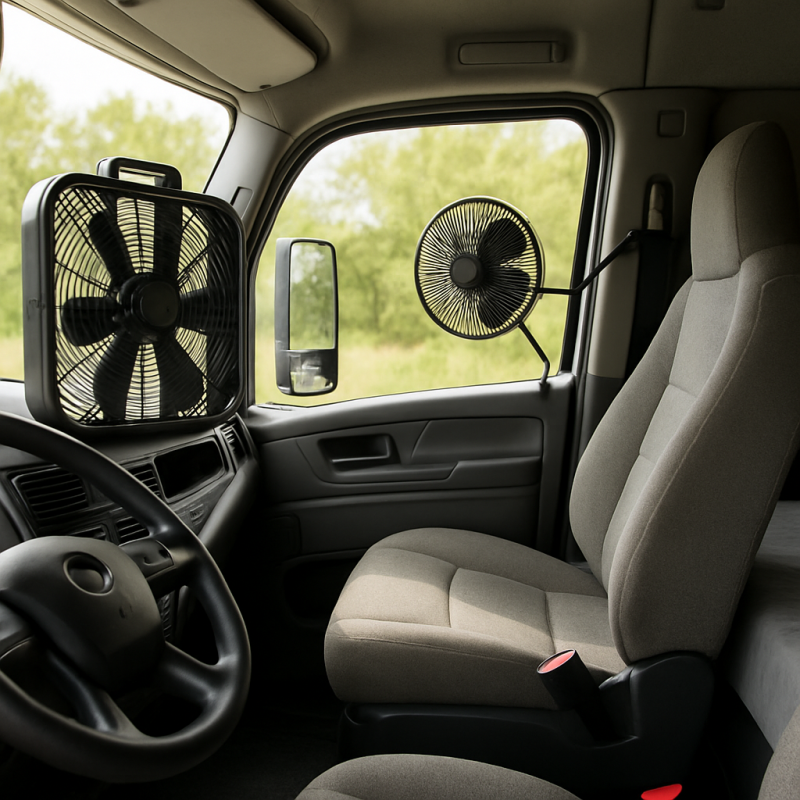
Cross-ventilation is the most effective free cooling method for truck camping. It works by opening windows on opposite sides of the cab so air flows through naturally, replacing hot stale air with cooler outside air — especially after sundown when ambient temperatures drop.
Here's how to set it up properly:
- Crack both front windows 2-3 inches: this creates an entry and exit point for airflow across the cab
- Open the rear sliding window if available: adding a third opening dramatically increases air exchange rate
- Position a portable fan at one window: point it outward to pull hot air from the cab, forcing cooler air in through the opposite side
- Install mesh screens on opened windows: keeps mosquitoes and debris out while maintaining full airflow
The science is simple: hot air rises and needs somewhere to escape. A sealed cab traps heat like a greenhouse. According to the NHTSA's research on vehicle heat, a closed vehicle's interior can rise 20°F in just 10 minutes — even with outside temps in the low 80s.
- Best case scenario: light breeze + two windows open + fan = cab stays within 5°F of outside temperature
- Worst case: no wind + one window cracked = minimal improvement over a sealed cab
- Pro tip: crack a window on the windward side (where breeze comes from) and open wider on the leeward side to create a pressure differential that accelerates airflow
A dual-head suction cup car fan is the simplest upgrade here — it mounts to your window or dashboard and runs for 8+ hours on a single charge, guaranteeing airflow even on dead-calm nights.
DICMKY Dual Head Suction Cup Car Cooling Fan (4000mAh)
This dual-head rechargeable fan mounts anywhere in your cab with suction cups. The 4000mAh battery provides all-night airflow, and the two adjustable heads let you direct breeze exactly where you need it.
Check Price On AmazonIf you click this link and buy, we earn a commission at no additional cost to you.

How Should You Use Reflective Barriers and Sun Shades?
Reflective barriers are your first line of defense against solar heat gain. A quality windshield sun shade alone can reduce dashboard temperatures by 40-50°F and overall cab temperature by 15-20°F, according to testing by Car and Driver's heat reduction experiments.
Here's how to maximize their effectiveness:
- Windshield (highest priority): use a custom-fit reflective shade — the windshield accounts for the largest glass surface and the most solar heat gain
- Side windows: cut Reflectix insulation ($15-$20 per roll at any hardware store) to fit each window. Trace the window shape on cardboard first, then use that template to cut the Reflectix
- Rear window: a fitted shade or Reflectix panel here completes your cab's heat shield
- Sunroof: if your truck has one, cover it — sunroofs are a major heat entry point that most people forget
The key detail most campers miss: reflective side faces outward. The shiny side reflects solar radiation away from the vehicle. If you put it backwards, you're trapping heat inside.
For overnight camping, remove the windshield shade before sleeping so you can still see outside for safety. Keep side window covers in place — they block streetlights and headlights from disturbing your sleep while still reducing morning heat gain.
- Budget option: emergency Mylar blankets ($5 for a 4-pack) taped to windows work surprisingly well as temporary reflective covers
- Premium option: custom-cut WeatherTech or Heatshield sun shades fit your truck model precisely and store flat
Where Should You Park to Minimize Heat Buildup?
Your parking spot determines 50% of your cooling success before you even set up any gear. Strategic parking is the highest-impact, zero-cost decision you'll make at camp. The goal is to minimize direct sun exposure on your cab during the hottest hours (noon to 5 PM) and maximize natural airflow.
- Face the cab north or east: the afternoon sun hits hardest from the west and southwest. Parking so your cab faces away from the afternoon sun means the bed (not the cab) absorbs the worst heat
- Use natural shade: park under trees, against a cliff face, or next to a building. Even partial shade from a single tree reduces interior temperatures by 20°F
- Avoid dark pavement: asphalt radiates stored heat for hours after sunset. Park on grass, dirt, or gravel whenever possible
- Prioritize elevation and airflow: hilltops and ridgelines get more breeze than valley floors. Even a slight rise helps
For those exploring the best truck features for camping, consider how your truck's window tint level and cab size affect heat retention — crew cabs with more glass surface heat up faster than regular cabs.
If natural shade isn't available, create your own:
- Portable canopy or tarp: a 10x10 pop-up canopy over your truck provides full shade at camp
- Truck bed tent with awning: many bed tents include awning extensions that shade the cab's rear window and part of the roof
- Tailgate awning: attaches to your bed rack or roof rack and extends 6-8 feet out, providing shade for the entire cab side
Arrive at your campsite before 2 PM when possible. This gives you time to scout the best shade positions before the worst heat hits.
What Are the Best Portable Cooling Devices for Truck Camping?
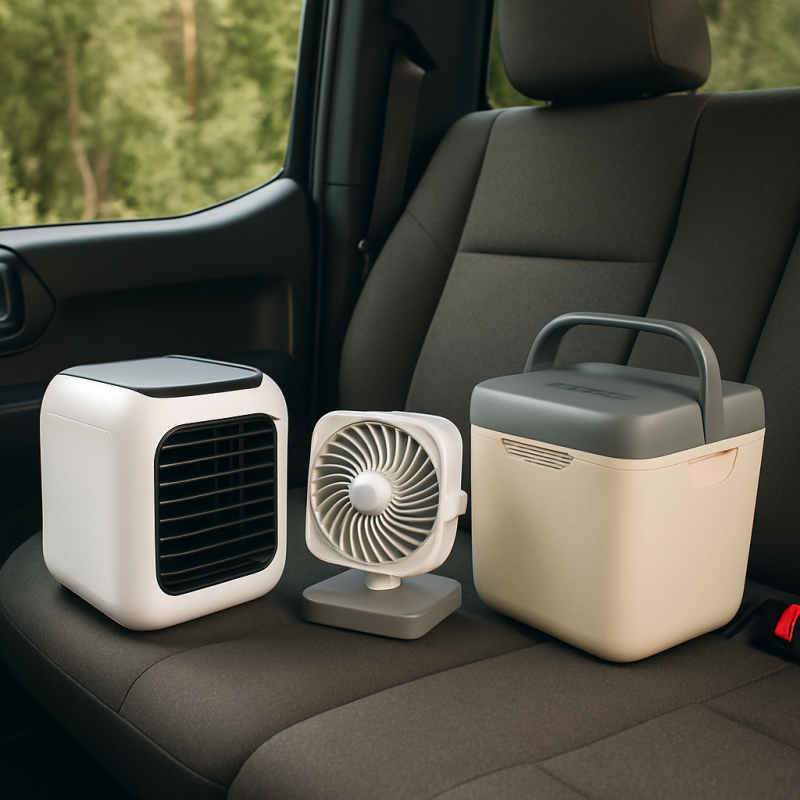
When ventilation and shade aren't enough, portable cooling devices bridge the gap between uncomfortable and genuinely cool. The best options run on rechargeable batteries so you don't drain your truck's starter battery or need a noisy generator.
Here are the most effective options ranked by cooling impact:
- Battery-powered suction cup fans: the easiest upgrade — mount to any window or smooth surface and run 6-12 hours per charge. The DICMKY 5000mAh suction cup fan delivers strong airflow and lasts all night on a single charge
- Evaporative cooling towels: wet, wring, and drape around your neck — drops perceived temperature by 10-15°F for about 2 hours per soak
- 12V portable cooler: won't cool the air, but ice-cold water and drinks keep your core temperature down. Run it off your truck's 12V outlet during the day, unplug at night
- USB neck fans: personal wearable fans direct airflow at your face and neck where it matters most
What about portable AC units? They exist, but most truck campers find them impractical:
- They need power: portable AC draws 300-600 watts, requiring a generator or large battery bank
- They need a vent: AC exhausts hot air that must go somewhere, defeating the purpose in a small cab
- They're heavy: 20-40 lbs of gear for marginal cooling in an unsealed space
The most effective budget setup is a dual suction cup fan + evaporative towel + cold water from a 12V cooler. This combination costs under $80 and cools you effectively without any power infrastructure. For keeping your gear organized alongside cooling equipment, truck cab organizers help you store fans, towels, and spray bottles within arm's reach.
DICMKY Suction Cup Car Cooling Fan (5000mAh)
With a larger 5000mAh battery, this single-head fan runs even longer than the dual model. Ideal for extended camping trips where you need guaranteed airflow through the entire night without recharging.
Check Price On AmazonIf you click this link and buy, we earn a commission at no additional cost to you.

How Can You Sleep Comfortably in a Hot Truck Cab?
Sleeping in a hot truck cab requires a different approach than daytime cooling. Nighttime temperatures drop, but a cab that's been baking all day retains heat in the seats, dashboard, and metal surfaces for hours after sunset. Here's how to set yourself up for restful sleep.
Pre-sleep cooldown routine (start 30 minutes before bed):
- Open all doors for 5-10 minutes to flush trapped hot air — this is the fastest way to equalize with outside temperature
- Wipe down the dashboard and steering wheel with a cold, wet towel — hard surfaces radiate stored heat
- Set up cross-ventilation with mesh screens on at least two windows
- Position your fan to blow directly across your sleeping area
- Mist your sleeping surface lightly with water from a spray bottle
Your sleeping surface matters enormously. Leather and vinyl seats trap heat against your body. A breathable truck camping mattress pad creates an air gap between you and the seat, preventing heat transfer and sweat buildup.
- Wear lightweight, moisture-wicking clothing: cotton holds sweat and gets clammy. Synthetic or merino wool base layers breathe better
- Use a sleeping bag liner instead of a full bag: silk or cotton liners provide just enough coverage without trapping heat
- Freeze water bottles before bed: place them near your neck or between your legs — major blood vessels in these areas cool your whole body
- Sleep with your head toward the open window: prioritize airflow across your face and upper body
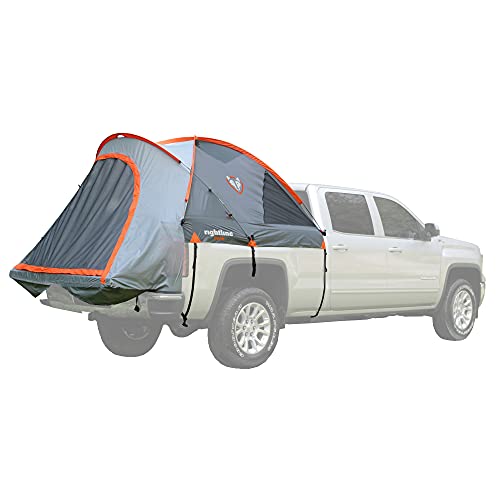
If your truck cab is simply too hot, consider moving to the truck bed. A Rightline Gear truck bed tent offers full mesh ventilation on all sides, creating airflow that a sealed cab can't match.
Rightline Gear Mid-Size Short Truck Bed Tent
When the cab is too hot, this 2-person bed tent gives you full mesh ventilation on all sides. Sets up in minutes and fits mid-size short truck beds perfectly for maximum airflow while sleeping.
Check Price On AmazonIf you click this link and buy, we earn a commission at no additional cost to you.
Should You Consider Sleeping in Your Truck Bed Instead?
If keeping your truck cab cool feels like a losing battle, moving to the truck bed is the most effective single change you can make. Truck bed tents offer 360-degree mesh ventilation, elevated sleeping away from ground heat, and significantly more headroom than any cab configuration.
Here's why the bed beats the cab for hot-weather camping:
- Full ventilation: most truck bed tents feature mesh panels on all four sides plus the ceiling — air flows freely through the entire sleeping area
- No heat-soaking surfaces: you're sleeping on a mattress pad, not on heat-radiating vinyl or leather seats
- More space: a 5.5-6.5 ft bed gives you room to spread out, which reduces body heat concentration
- Easy setup: modern truck bed tents like the Napier Backroadz truck tent set up in about 10 minutes with no tools required
The trade-off is weather exposure and security. A truck cab locks and seals completely — a bed tent doesn't offer the same protection from heavy rain, strong winds, or security concerns in populated areas.
For campers who want the best of both worlds, use the cab as a daytime shelter (with reflective barriers and fans) and the bed as your sleeping area at night when ventilation matters most.
- Short beds (5-5.5 ft): the LIBERRWAY truck bed tent fits most short-bed trucks from Ford, Chevy, Ram, and GMC
- Standard beds (6-6.5 ft): more room to stretch out and better airflow due to larger tent volume
- Long beds (8 ft): the most comfortable option, with space for a full mattress and gear storage
If you go the bed tent route, don't forget to outfit the bed with a proper mattress pad — sleeping directly on a hard bed liner gets uncomfortable fast, and most truck camping mattress pads are designed specifically to fit standard bed dimensions.
Pickup Truck Tent with Awning Shade (PU5000mm)
The integrated awning shade extends over your cab area, blocking sun and creating a cool zone around your truck. The PU5000mm waterproof rating handles surprise rain while keeping ventilation open.
Check Price On AmazonIf you click this link and buy, we earn a commission at no additional cost to you.

What Common Mistakes Should You Avoid?
Even experienced truck campers make heat management mistakes that turn a tolerable night into a miserable one. Here are the most common errors and how to avoid them.
- Idling the engine for AC: running your truck's AC while parked burns roughly one gallon of fuel per hour, produces carbon monoxide (dangerous in enclosed spaces like garages or dense tree cover), and violates anti-idling laws in many campgrounds. The Department of Energy reports that idling wastes up to $0.04 worth of fuel per minute — it adds up fast over a full night
- Only cracking one window: a single open window creates no cross-flow. You need at least two openings on opposite sides for air to actually move through the cab
- Using dark-colored bedding: dark sheets and blankets absorb and retain heat. Switch to light-colored, breathable fabrics
- Ignoring humidity: in humid climates, evaporative cooling (wet towels, misting) is far less effective because the air is already saturated. Focus on direct airflow instead
- Closing all windows for security: understandable instinct, but a sealed cab at 100°F is a health risk. Use mesh window screens that allow airflow while preventing entry
Troubleshooting guide:
- Problem — cab still hot despite shade and ventilation: check that reflective covers are facing outward (shiny side out). Add a battery fan to force air circulation
- Problem — mosquitoes getting in through cracked windows: install magnetic mesh window screens that seal around the edges. Available for most truck models on Amazon for $15-$25
- Problem — fan battery dies overnight: charge the fan fully before each trip. Carry a USB power bank (10,000mAh+) as backup power — most portable fans draw only 2-5 watts
- Problem — condensation inside cab in the morning: this is caused by your body moisture in an enclosed space. Crack a window slightly more to improve moisture exchange
Related Articles
- Best 12V Truck Coolers for Camping — Cold drinks and ice-cold water are essential for managing body temperature during hot truck camping trips
- Best Truck Features for Camping and Overlanding — Understanding how cab size, tint level, and factory features affect heat retention helps plan your cooling strategy
- Best Truck Cab Organizers for Road Trips — Keeping cooling gear organized and accessible in a crowded cab makes setup and teardown faster
- Best Truck Camping Mattress Pads — Breathable mattress pads create an air gap between your body and heat-soaking seat surfaces for cooler sleep
Conclusion
Recommended Products
DICMKY Dual Head Suction Cup Car Cooling Fan (4000mAh)
This dual-head rechargeable fan mounts anywhere in your cab with suction cups. The 4000mAh battery provides all-night airflow, and the two adjustable heads let you direct breeze exactly where you need it.
Check Price On AmazonIf you click this link and buy, we earn a commission at no additional cost to you.
DICMKY Suction Cup Car Cooling Fan (5000mAh)
With a larger 5000mAh battery, this single-head fan runs even longer than the dual model. Ideal for extended camping trips where you need guaranteed airflow through the entire night without recharging.
Check Price On AmazonIf you click this link and buy, we earn a commission at no additional cost to you.
Rightline Gear Mid-Size Short Truck Bed Tent
When the cab is too hot, this 2-person bed tent gives you full mesh ventilation on all sides. Sets up in minutes and fits mid-size short truck beds perfectly for maximum airflow while sleeping.
Check Price On AmazonIf you click this link and buy, we earn a commission at no additional cost to you.
Pickup Truck Tent with Awning Shade (PU5000mm)
The integrated awning shade extends over your cab area, blocking sun and creating a cool zone around your truck. The PU5000mm waterproof rating handles surprise rain while keeping ventilation open.
Check Price On AmazonIf you click this link and buy, we earn a commission at no additional cost to you.
Frequently Asked Questions
How hot does the inside of a truck get in the sun?
Can you run your truck AC all night while camping?
What is the best portable fan for sleeping in a truck?
Do windshield sun shades actually work?
Is it safe to sleep in a truck cab with windows cracked?
How do you keep mosquitoes out of a truck while sleeping?
Is it cooler to sleep in a truck cab or truck bed?
What temperature is too hot to sleep in a truck?
Affiliate Disclosure: This article contains affiliate links. If you purchase through these links, we may earn a commission at no extra cost to you.