Truck Road Trip Essentials Buying Guide
Key Takeaways
- Cab organization is the single most impactful upgrade for long-distance truck road trips — a cluttered cab leads to fatigue and frustration.
- Budget $150-$400 total for a well-equipped road trip kit covering safety, comfort, navigation, and entertainment essentials.
- A quality 12V cooler pays for itself in two trips by eliminating overpriced gas station food and drink stops.
- Dash cams and phone mounts are safety essentials, not luxuries — they protect you legally and keep your eyes on the road.
- Pack entertainment and comfort items for passengers first — a miserable co-pilot makes every mile feel twice as long.
What Are the Must-Have Categories for a Truck Road Trip?
Every truck road trip kit breaks down into six core categories: safety and emergency gear, cab organization, navigation and electronics, food and hydration, comfort and sleeping, and entertainment. Prioritize safety first, then build outward based on your trip length and budget.
- Safety and emergency: first aid kit, jumper cables, tire repair kit, flashlight, reflective triangles, fire extinguisher
- Cab organization: console organizers, seat-back storage, door pocket inserts — keeping gear accessible without clutter
- Navigation and electronics: phone mount, dash cam, USB chargers, portable battery pack, paper atlas as backup
- Food and hydration: 12V cooler, insulated water bottles, non-perishable snacks, utensils, paper towels
- Comfort and sleeping: seat covers, lumbar support, blankets, pillows, mattress pad for truck bed camping
- Entertainment: road trip games, audiobooks, podcasts downloaded offline, chargers for devices
The biggest mistake truck owners make is focusing only on the truck bed and ignoring cab comfort. You'll spend 8-12 hours a day in your seat — that's where your money should go first.
For a weekend trip, you can get away with basics from the safety and navigation categories. For trips lasting a week or more, invest in all six categories. The comfort and organization items that seem optional on day one become essential by day three.
If you're starting from scratch, check out our truck interior accessories buying guide for a broader overview of what's available for your cab.
How Should You Organize Your Truck Cab for Long Drives?
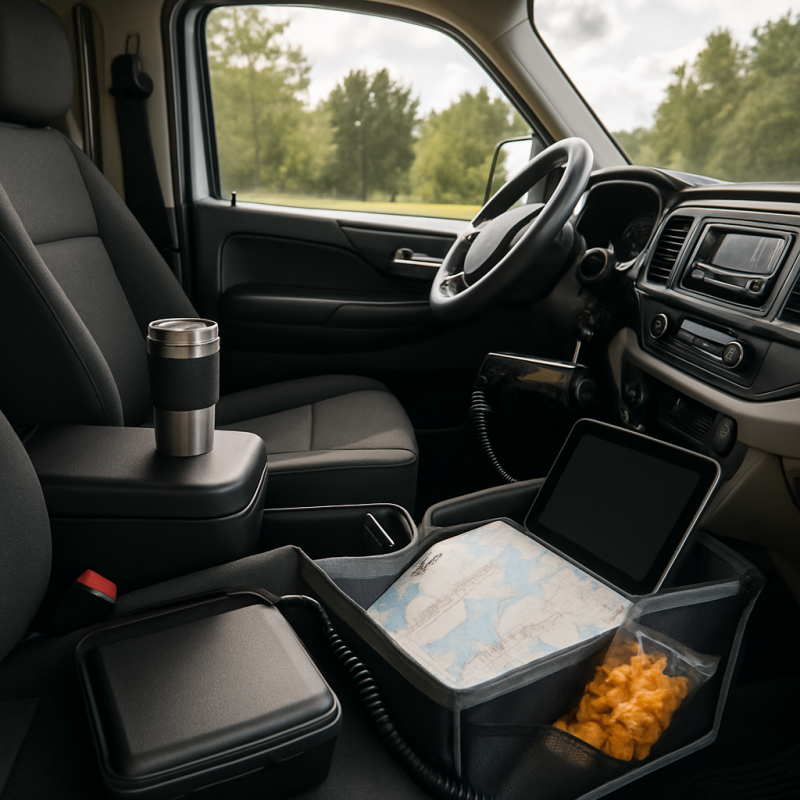
A well-organized cab reduces driver fatigue, keeps essentials within arm's reach, and prevents loose items from becoming projectiles during sudden stops. Start with three zones: driver access, passenger access, and rear storage.
- Driver zone: phone mount on dash or vent, sunglasses in overhead console, water bottle in door pocket, wallet and toll cash in center console
- Passenger zone: snack bag, entertainment items, charging cables, travel pillow
- Rear seat or back wall: first aid kit, emergency supplies, extra layers, overnight bag
The center console is prime real estate. A dedicated center console organizer with dividers keeps charging cables, snacks, and small items from becoming a jumbled mess. Without one, everything migrates to the bottom and you're fishing around blindly at 70 mph.
For extended trips, a cab organizer designed for road trips adds seat-back pockets and hanging storage that dramatically increases your usable space. These work especially well in crew cab trucks where the back seat becomes a gear staging area.
| Organization Solution | Price Range | Best For | Space Added |
|---|---|---|---|
| Center console organizer | $15-$35 | Small items, cables, snacks | Moderate |
| Seat-back organizer | $20-$45 | Tablets, bottles, maps | High |
| Door pocket inserts | $10-$25 | Flashlight, pens, cards | Low |
| Overhead console tray | $25-$50 | Sunglasses, garage remotes | Low |
| Truck bed vault/box | $80-$300 | Tools, emergency gear, camping | Very high |
Invest in organization before you invest in more gear. There's no point buying road trip accessories if you have nowhere logical to put them.
What Safety and Emergency Gear Do You Need?
Carry a basic emergency kit, a first aid kit, and vehicle recovery tools on every road trip — no exceptions. Breakdowns happen on remote stretches where cell service is spotty and tow trucks are hours away.
- First aid kit: bandages, antiseptic, pain relievers, allergy medication, prescription meds, gauze, medical tape
- Jumper cables or portable jump starter: a lithium jump starter ($50-$80) is lighter and doesn't need a second vehicle
- Tire repair kit: plug kit, portable air compressor (12V), tire pressure gauge
- Reflective triangles or LED flares: required by law in many states for roadside stops
- Fire extinguisher: small ABC-rated unit mounted in the cab
- Flashlight and extra batteries: or a rechargeable headlamp for hands-free use
- Basic tool set: multi-tool, duct tape, zip ties, work gloves, bungee cords
The NHTSA recommends checking tire pressure and tread depth before every long trip, as tire failures account for approximately 11,000 crashes annually. For trucks carrying heavy loads in the bed, this is even more critical since added weight increases tire stress.
A dash cam is another essential safety item. In the event of an accident, footage provides clear evidence for insurance claims. Our roundup of the best truck dash cams covers options from $40 budget models to $200 dual-channel units that record front and rear simultaneously.
If you're driving through remote areas, consider a satellite communicator like the Garmin inReach Mini. When you're miles from cell towers in places like rural Montana or backcountry Colorado, it could be a lifesaver. The Guide to Colorado Backroads & 4-Wheel-Drive Trails is an excellent resource if you plan to explore off-the-beaten-path routes where preparedness matters most.
Guide to Colorado Backroads & 4-Wheel-Drive Trails
Detailed trail guide with difficulty ratings and GPS waypoints for Colorado off-road routes. Perfect for truck owners planning adventure road trips through the Rockies.
Check Price On AmazonIf you click this link and buy, we earn a commission at no additional cost to you.

Which Electronics and Navigation Tools Matter Most?
A reliable phone mount, quality charger, and backup navigation source form the electronics foundation for any truck road trip. Your phone handles navigation, music, communication, and trip logging — keeping it powered and visible is non-negotiable.
- Phone mount: magnetic or clamp-style, mounted on dash or vent — keeps GPS visible without holding your phone
- USB-C fast charger: at least 30W, dual-port so both driver and passenger can charge simultaneously
- Portable battery pack: 20,000mAh minimum for multi-device charging when parked at campsites
- Paper atlas or road guide: cell service dies in rural areas — GPS apps can't route you if they can't load maps
- Dash cam: front-facing minimum, dual-channel preferred for full coverage
For phone mounts, look for models rated for off-road vibration if your trip includes gravel roads or trail access points. Our guide to the best truck phone mounts for off-road covers mounts that won't shake loose on rough terrain.
A paper backup might sound old-fashioned, but experienced road trippers swear by it. The Next Exit 2025 highway service guide lists every gas station, restaurant, and rest stop by interstate exit — invaluable when your phone shows no signal and the fuel gauge is dropping.
| Electronic Essential | Budget Option | Mid-Range | Premium |
|---|---|---|---|
| Phone mount | $10-$15 | $20-$35 | $40-$60 |
| USB charger | $10-$15 | $20-$30 | $35-$50 |
| Dash cam | $40-$70 | $80-$150 | $150-$300 |
| Battery pack | $20-$30 | $35-$60 | $70-$120 |
| Satellite communicator | N/A | $250-$350 | $350-$500 |
Download offline maps for your entire route before you leave. Both Google Maps and Apple Maps support offline areas — download a generous buffer around your planned route to account for detours.
The Next Exit 2025: USA Interstate Highway Service Guide
Lists every gas station, restaurant, hotel, and service by interstate exit across the entire US. Invaluable when cell service drops and you need to find fuel or food fast.
Check Price On AmazonIf you click this link and buy, we earn a commission at no additional cost to you.

How Do You Handle Food and Hydration on the Road?
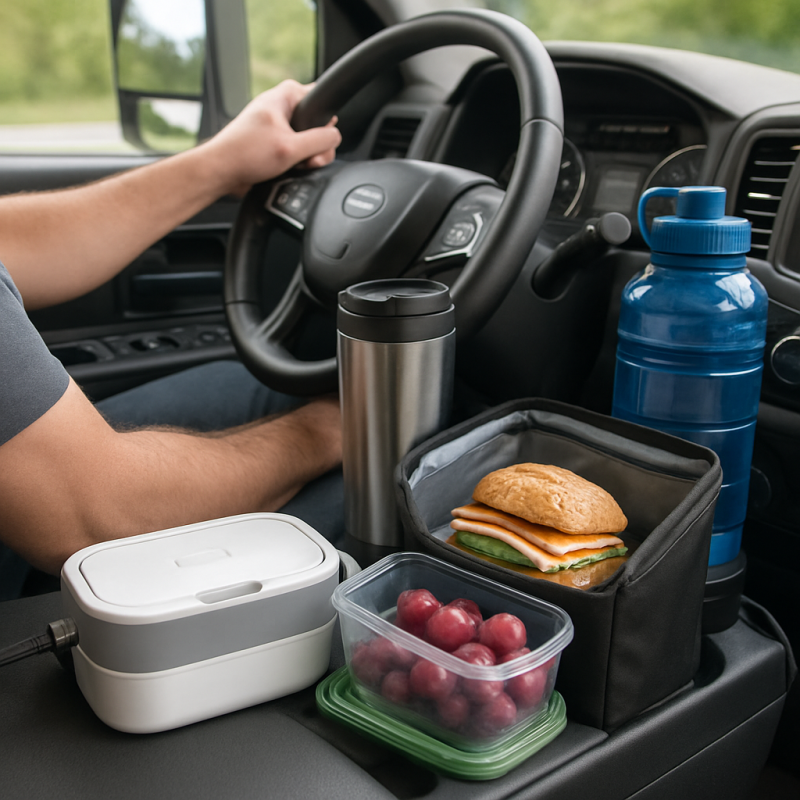
A 12V cooler is the single best food investment for truck road trips. It eliminates fast-food dependency, keeps drinks cold for days, and pays for itself in savings within two trips compared to buying gas station food and drinks.
- 12V thermoelectric cooler: $50-$100, cools 30-40°F below ambient, good for drinks and snacks
- 12V compressor cooler: $150-$400, true refrigeration down to 0°F, holds perishables safely for days
- Traditional cooler with ice: $30-$80, no power needed, but ice melts and creates a wet mess
For trips under three days, a thermoelectric cooler handles drinks and pre-made sandwiches fine. For week-long trips, a compressor cooler is worth the investment — it maintains consistent temperatures regardless of outside heat and doesn't require ice refills. Check our detailed comparison of the best 12V truck coolers for camping to find the right size and style for your cab or bed.
Beyond the cooler, pack these food essentials:
- Insulated water bottles: 32oz minimum per person, refill at every stop
- Non-perishable snacks: trail mix, jerky, granola bars, dried fruit, crackers with peanut butter
- Basic utensils: spork, pocket knife, paper towels, wet wipes, trash bags
- Electrolyte packets: critical for hot-weather driving where dehydration causes fatigue
The CDC recommends adults drink at least 64 ounces of water daily, more in hot weather or at elevation. Dehydration directly impacts reaction time and alertness — both critical behind the wheel.
Plan your cooler space before packing. Pre-freeze water bottles to use as ice packs that become drinking water as they thaw. Pack items you'll access first on top, and group meals together in labeled bags.
What Comfort Upgrades Make the Biggest Difference?
Seat covers, floor mats, and lumbar support are the three comfort upgrades that transform long drives from endurance tests into enjoyable experiences. Your truck's stock seats weren't designed for 10-hour days.
- Seat covers: neoprene or canvas covers protect upholstery from spills and add cushioning — especially important on vinyl seats that get hot and sticky
- All-weather floor mats: rubber mats with raised edges catch mud, snow, spilled coffee, and crumbs — infinitely easier to clean than carpet
- Lumbar support cushion: memory foam or inflatable, positioned at the small of your back to reduce lower back pain
- Steering wheel cover: prevents burning hands on sun-heated wheels and adds grip on long stretches
- Window shades: reduces cab temperature when parked and blocks sun glare for sleeping passengers
Quality truck seat covers and all-weather floor mats are investments that last years beyond your road trip. They protect your truck's resale value while making every drive more comfortable.
According to Spine-Health, prolonged sitting without lumbar support is a leading cause of lower back pain — and truck seats are notorious for lacking adequate lower back contour. A $25-$40 lumbar cushion can prevent days of pain on a long trip.
If your trip includes truck bed camping, a truck camping mattress pad is essential. Sleeping directly on a bed liner is a miserable experience that guarantees a bad next day of driving. Air mattresses designed for truck beds cost $60-$150 and fold compact enough to store behind the rear seat during driving hours.
Don't overlook a good steering wheel cover either. On summer road trips through the Southwest, an uncovered steering wheel can hit 150°F in direct sun — hot enough to burn your hands when you return from a rest stop.
How Do You Keep Everyone Entertained on Long Stretches?
Pre-downloaded audio content and physical road trip games are your two entertainment pillars. Streaming fails in dead zones, and staring at phone screens causes car sickness — plan analog entertainment alongside digital.
- Audiobooks and podcasts: download 20+ hours of content before departure — you'll burn through it faster than you think
- Road trip games: physical card games and trivia designed for the car keep passengers engaged without screens
- Music playlists: curate multiple playlists by mood — driving, relaxing, sing-along, sleeping
- Travel journal or sketchbook: for passengers who want to document the trip creatively
- Binoculars: for scenic overlooks, wildlife spotting, and national park visits
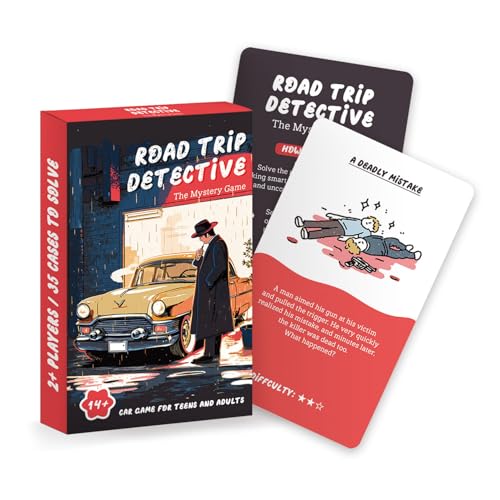
For families, the WELL BALANCED Road Trip Trivia game is designed specifically for car play with kids ages 8 and up — no board or flat surface needed. For teens and adults, the WELL BALANCED Road Trip Mysteries offers collaborative mystery-solving that turns dead highway hours into engaging group fun.
If your group leans older, the Laeroneth Road Trip Detective game offers more complex mysteries suited for ages 14 and up. Having two or three different games prevents any single activity from wearing thin over a multi-day trip.
The AAA recommends taking a break every two hours or 100 miles. Structure your entertainment in 90-120 minute blocks — start with music, switch to a podcast episode, then play a game. Variety prevents monotony and helps the driver stay mentally fresh.
One underrated tip: create a shared trip playlist before departure. Have every passenger add 10-15 songs. It becomes a fun conversation starter and ensures everyone hears something they love.
WELL BALANCED Road Trip Trivia - Travel Car Game for Ages 8+
Screen-free trivia game designed specifically for car play. Keeps kids and families entertained during long highway stretches without needing a flat surface or cell service.
Check Price On AmazonIf you click this link and buy, we earn a commission at no additional cost to you.

WELL BALANCED Road Trip Mysteries - Car Game for Adults & Teens
Collaborative mystery-solving game for teens and adults that turns boring highway hours into engaging group entertainment. No internet or screens required.
Check Price On AmazonIf you click this link and buy, we earn a commission at no additional cost to you.
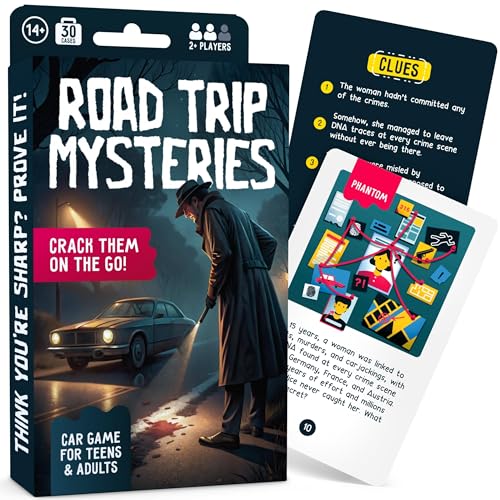
Laeroneth Road Trip Detective - Mystery Game for 14+ Teens and Adults
More complex mystery card game for older teens and adults who want deeper narrative entertainment during long drives. Great variety alongside lighter trivia games.
Check Price On AmazonIf you click this link and buy, we earn a commission at no additional cost to you.
What's the Ideal Budget for a Truck Road Trip Kit?
Expect to spend $150-$400 total for a comprehensive road trip kit, depending on what you already own and how long your trips typically last. Here's how the budget breaks down across three tiers.
| Category | Budget ($150 total) | Mid-Range ($250 total) | Premium ($400+ total) |
|---|---|---|---|
| Safety/Emergency | $30 — basic first aid + jumper cables | $60 — lithium jump starter + tire kit | $100 — full emergency kit + satellite comm |
| Organization | $15 — console organizer only | $40 — console + seat-back organizer | $70 — full cab organization system |
| Electronics | $25 — phone mount + USB charger | $60 — mount + charger + budget dash cam | $120 — mount + charger + dual-channel cam |
| Food/Hydration | $40 — basic cooler + water bottles | $50 — thermoelectric cooler + bottles | $150 — compressor cooler + accessories |
| Comfort | $25 — lumbar cushion + sunshade | $40 — cushion + seat covers | $80 — covers + floor mats + mattress pad |
| Entertainment | $15 — one card game + downloads | $25 — two games + downloads | $30 — multiple games + premium audio |
The budget tier covers a solid weekend trip. Mid-range handles week-long adventures comfortably. Premium sets you up for extended trips and includes items that last years across multiple trips.
- Best value priority order: phone mount → first aid kit → USB charger → cooler → cab organizer → dash cam
- Skip if budget-tight: satellite communicator, compressor cooler, premium seat covers — these are nice-to-haves that can wait
- Never skip: first aid kit, jumper cables or jump starter, water, phone charging — these are safety non-negotiables
Buy off-season for the best deals. Road trip gear goes on sale during fall and winter when demand drops. Black Friday and Prime Day offer the deepest discounts on coolers, dash cams, and electronics. Stock up months before your summer trip and you'll save 20-40% on most items.
Related Articles
- Best Truck Cab Organizers for Road Trips — Detailed reviews of cab organizers specifically designed for road trip storage
- Best Truck Center Console Organizers — Reviews of center console organizer inserts to keep small items sorted
- Best Truck Dash Cams for Road Protection — Comparison of dash cams from budget to premium for road trip safety
- Best Truck Phone Mounts for Off-Road — Phone mounts rated for vibration and rough terrain driving
- Best 12V Truck Coolers for Camping — Detailed comparison of thermoelectric vs compressor 12V coolers
- Best Truck Seat Covers — Reviews of seat covers for protection and comfort on long drives
- Best Truck Floor Mats for All-Weather Protection — Rubber and all-weather floor mat reviews for road trip mess protection
- Best Truck Camping Mattress Pads — Mattress pads designed for truck bed camping on road trips
- Best Truck Steering Wheel Covers — Steering wheel covers for heat protection and driving comfort
- Truck Interior Accessories Buying Guide — Comprehensive overview of all interior accessory categories for trucks
Conclusion
Recommended Products
The Next Exit 2025: USA Interstate Highway Service Guide
Lists every gas station, restaurant, hotel, and service by interstate exit across the entire US. Invaluable when cell service drops and you need to find fuel or food fast.
Check Price On AmazonIf you click this link and buy, we earn a commission at no additional cost to you.
WELL BALANCED Road Trip Trivia - Travel Car Game for Ages 8+
Screen-free trivia game designed specifically for car play. Keeps kids and families entertained during long highway stretches without needing a flat surface or cell service.
Check Price On AmazonIf you click this link and buy, we earn a commission at no additional cost to you.
WELL BALANCED Road Trip Mysteries - Car Game for Adults & Teens
Collaborative mystery-solving game for teens and adults that turns boring highway hours into engaging group entertainment. No internet or screens required.
Check Price On AmazonIf you click this link and buy, we earn a commission at no additional cost to you.
Guide to Colorado Backroads & 4-Wheel-Drive Trails
Detailed trail guide with difficulty ratings and GPS waypoints for Colorado off-road routes. Perfect for truck owners planning adventure road trips through the Rockies.
Check Price On AmazonIf you click this link and buy, we earn a commission at no additional cost to you.
Laeroneth Road Trip Detective - Mystery Game for 14+ Teens and Adults
More complex mystery card game for older teens and adults who want deeper narrative entertainment during long drives. Great variety alongside lighter trivia games.
Check Price On AmazonIf you click this link and buy, we earn a commission at no additional cost to you.
Frequently Asked Questions
What should I pack for a long truck road trip?
How much should I budget for road trip essentials?
Do I really need a dash cam for a road trip?
What type of cooler is best for a truck road trip?
How do I keep my truck cab organized during a road trip?
What road trip entertainment works without cell service?
How often should I take breaks on a road trip?
What safety items are legally required for road trips?
Affiliate Disclosure: This article contains affiliate links. If you purchase through these links, we may earn a commission at no extra cost to you.